
Why Slower Yoga Might Be Exactly What Your Body Needs
There’s a quiet shift happening in the western yoga world.
For years, the focus has been on faster, stronger, more intense workouts. But many people are starting to realize something important:
More intensity isn’t always better—especially when it comes to long-term health.
If you’ve been feeling tired, stiff, stressed, or disconnected from your body, slower yoga styles like Yin yoga, Restorative yoga, and gentle yoga may be exactly what your body needs.
What Is Slower Yoga? (And Who Is It For?)
Slower yoga includes practices that emphasize stillness, breath, and mindful movement rather than intensity.

Yin Yoga
Yin yoga involves holding passive poses for several minutes to target deep connective tissue, fascia, and joints. It’s especially beneficial for improving mobility and releasing stored tension.
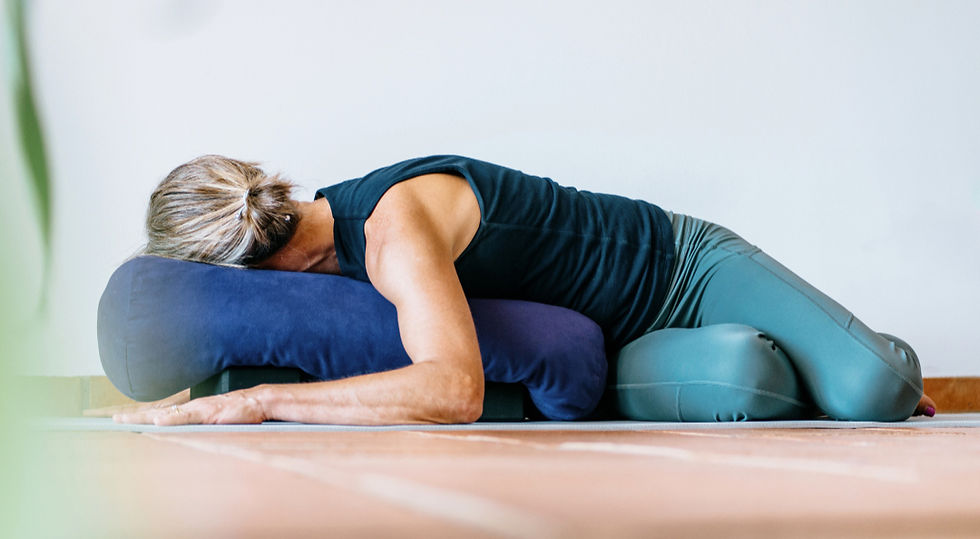
Restorative Yoga
Restorative yoga uses props like bolsters and blankets to fully support the body, allowing for complete relaxation and nervous system reset.
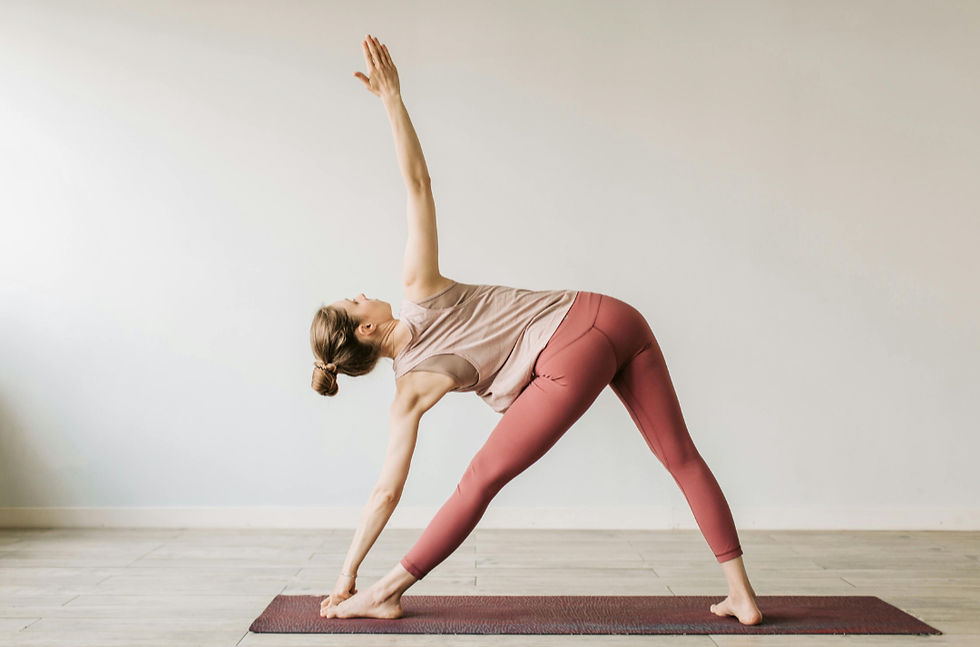
Gentle or Slow Flow Yoga
Gentle yoga links breath with slow, intentional movement. It’s ideal for beginners, recovery days, or anyone looking for low-impact strength and flexibility.
Top 5 Benefits of Slower Yoga
1. Supports Nervous System Regulation
Slower yoga helps shift your body out of fight-or-flight mode into a parasympathetic (rest-and-digest) state.
This is key for:
Reducing chronic stress
Improving digestion
Supporting hormone balance
2. Reduces Stress and Cortisol Levels
Practices like restorative yoga for stress relief have been shown to calm the mind and lower cortisol—something many people struggle with due to busy, overstimulated lifestyles.
3. Improves Flexibility and Joint Health
Unlike fast-paced workouts, Yin yoga works deep into the body’s connective tissues, supporting:
Joint mobility
Fascia health
Long-term flexibility
4. Supports Hormonal Balance (Especially in Midlife)
Slower yoga is especially beneficial for women experiencing:
Thyroid imbalances
Perimenopause or menopause
Adrenal fatigue
Lower-intensity movement helps the body feel safe, which is essential for hormonal health.
5. Encourages Mind-Body Connection
When you slow down, you can actually feel your body again.
This leads to:
Better body awareness
Deeper release
A more intuitive approach to movement
Signs Your Body Needs Slower Yoga
You may benefit from slower yoga if you:
Feel exhausted after workouts
Have trouble sleeping
Experience stiffness or joint pain
Feel anxious or overstimulated
Aren’t seeing results from high-intensity exercise
How to Start a Slower Yoga Practice
You don’t need to completely change your routine.
Try this:
Replace one workout per week with Yin or Restorative yoga
Add 10–15 minutes of gentle stretching before bed
Focus on your breath instead of performance
Consistency matters more than intensity.
Final Thoughts: Slowing Down Is a Form of Strength
In a culture that constantly encourages pushing harder, choosing slower yoga is a powerful act of self-awareness.
Slower yoga isn’t about doing less—it’s about doing what your body actually needs.
And for many people, that’s where real healing begins.
Ready to experience the benefits of slower yoga? Join us for Restorative/ Yin or Gentle yoga class and give your body the space it’s been asking for.


Comments